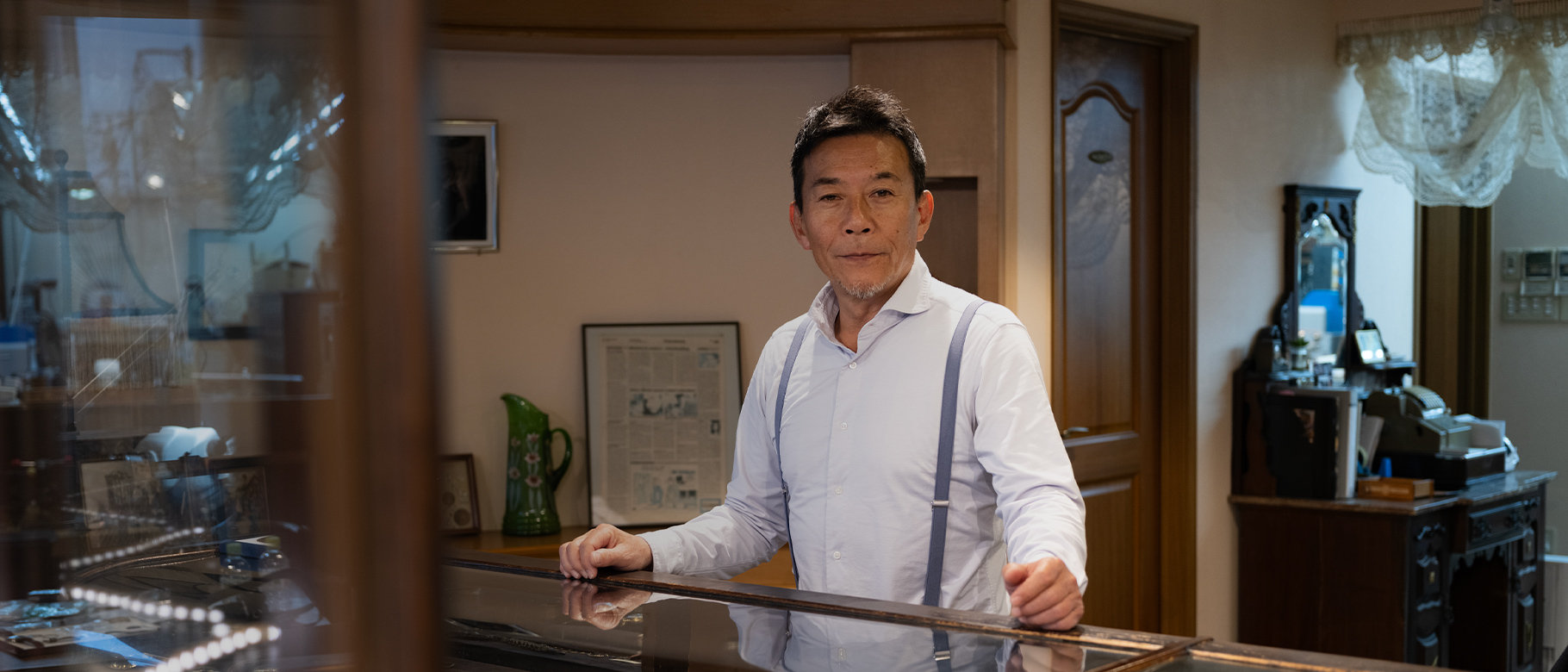
Masa’s Pastime: A dedication to independent horology
By Elliot Hammer
Personally, I resisted the allure of watches for a long time — dismissing them as “status symbols”, too sophisticated or simply superfluous in modern life. Yet recently I finally succumbed to their charm. Why? I am a designer by trade, and my curiosity about how watches are conceived and made became the thin end of the wedge.
I have become particularly curious about Masa. As a craftsperson, he manages to combine a deeply traditional approach with a surprisingly contemporary aesthetic. So I made the journey to Tokyo to meet him.
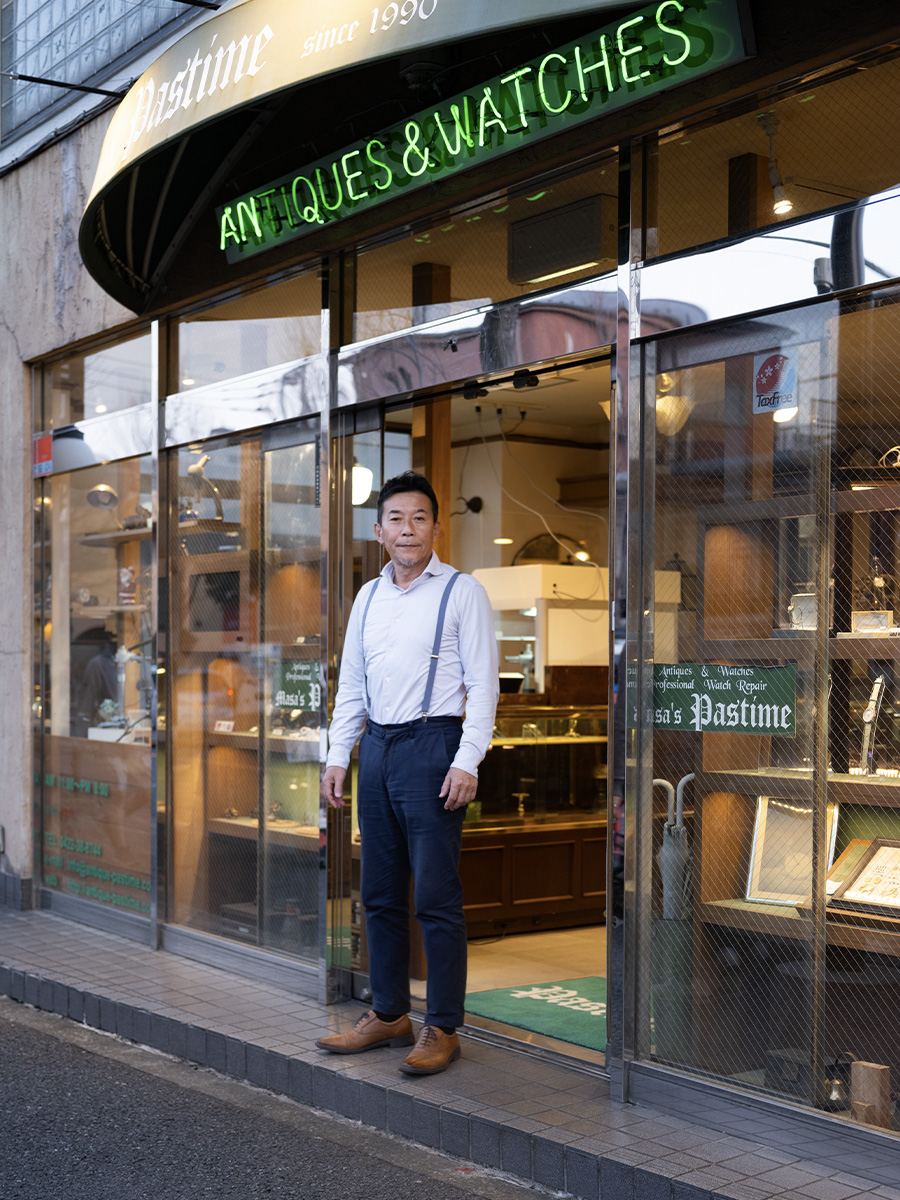
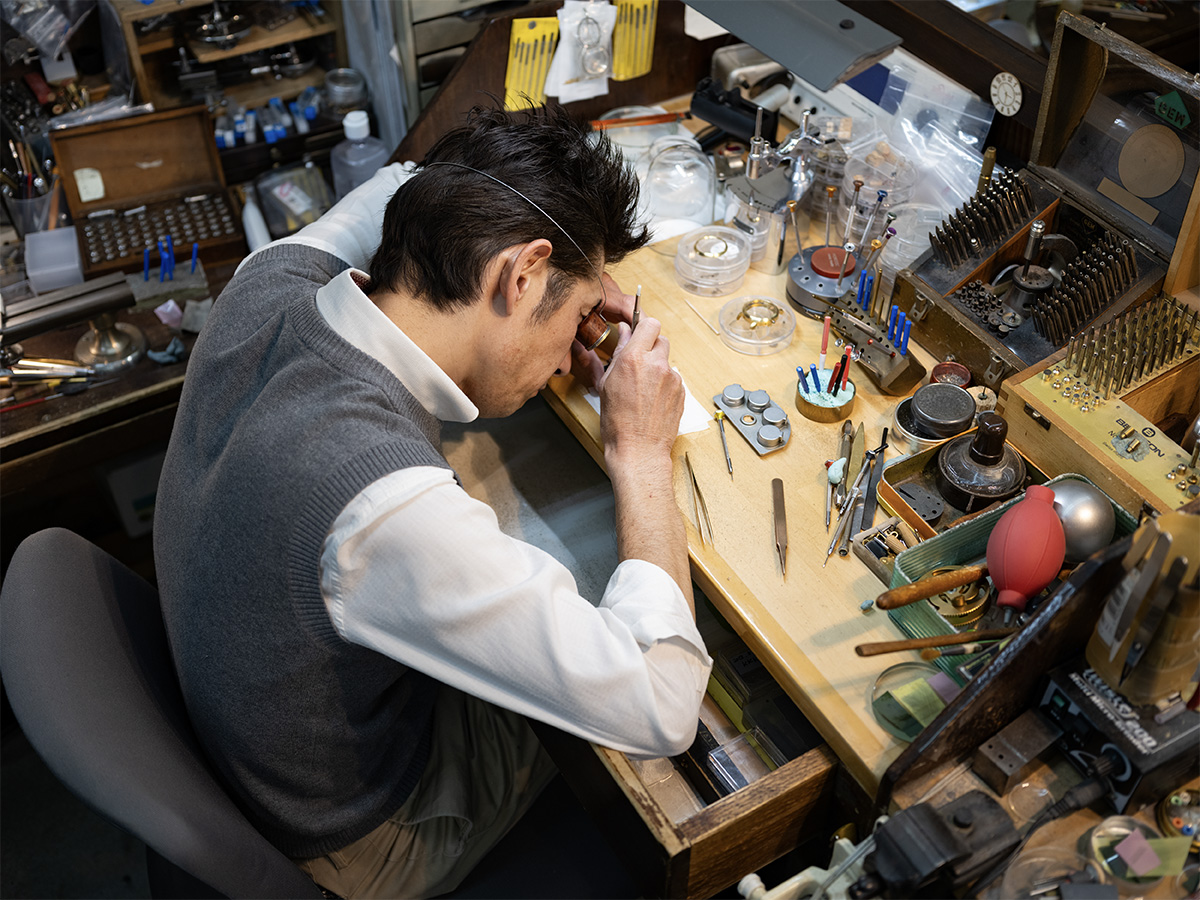
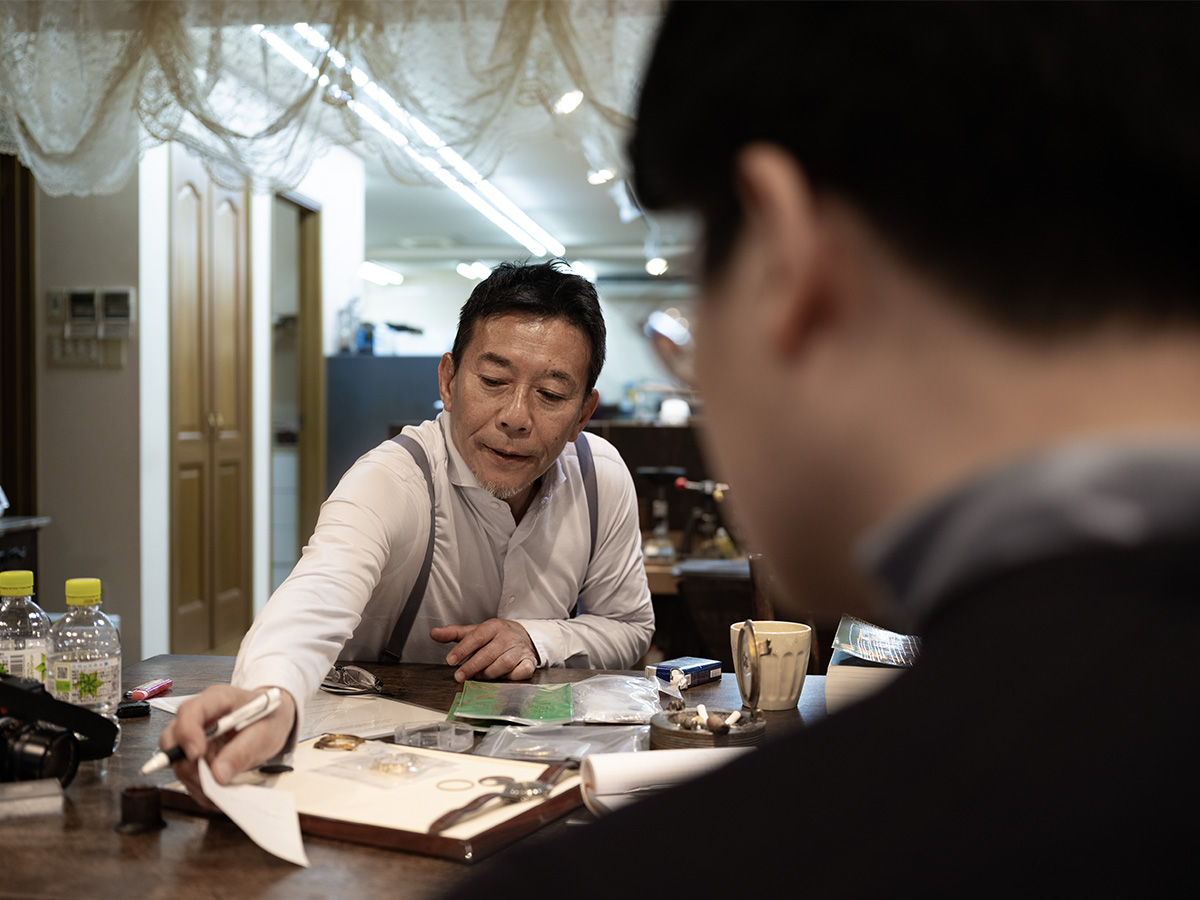
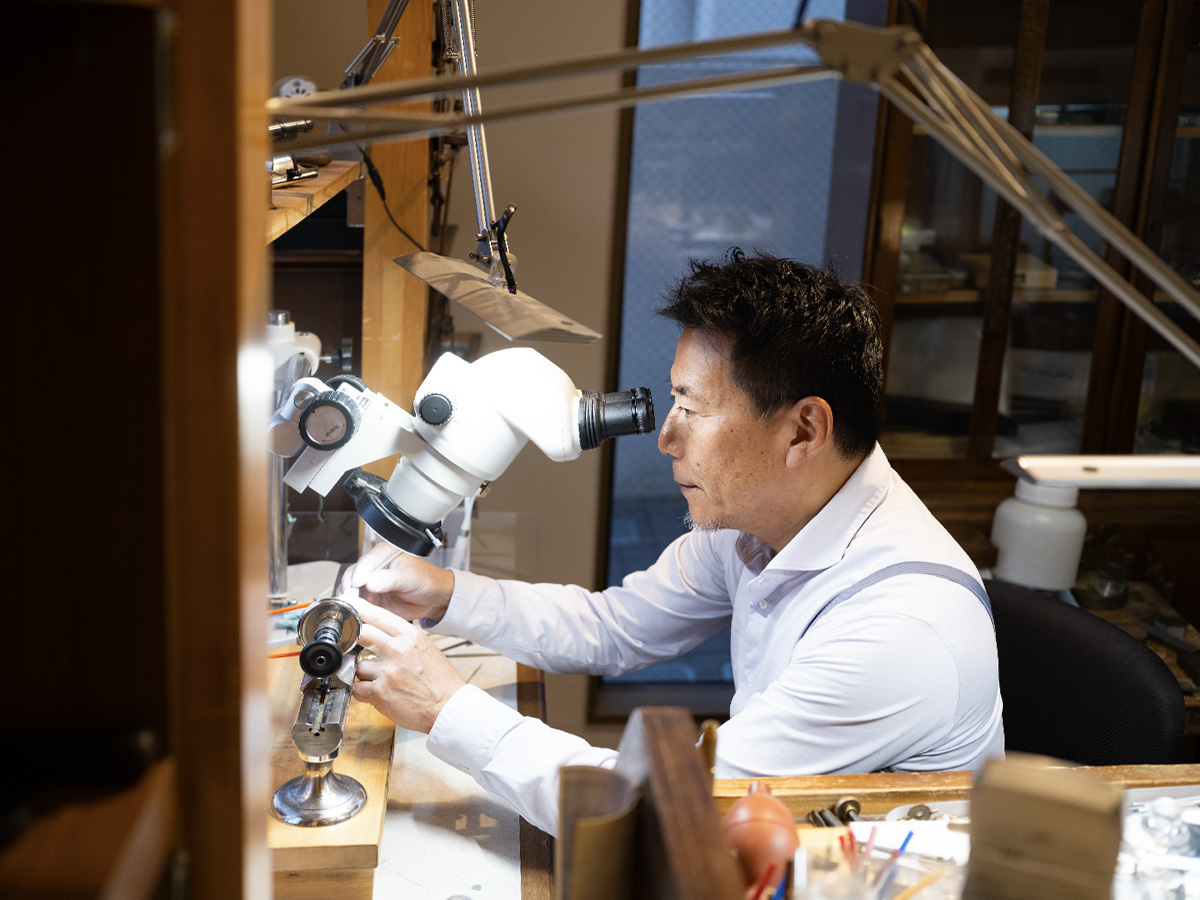
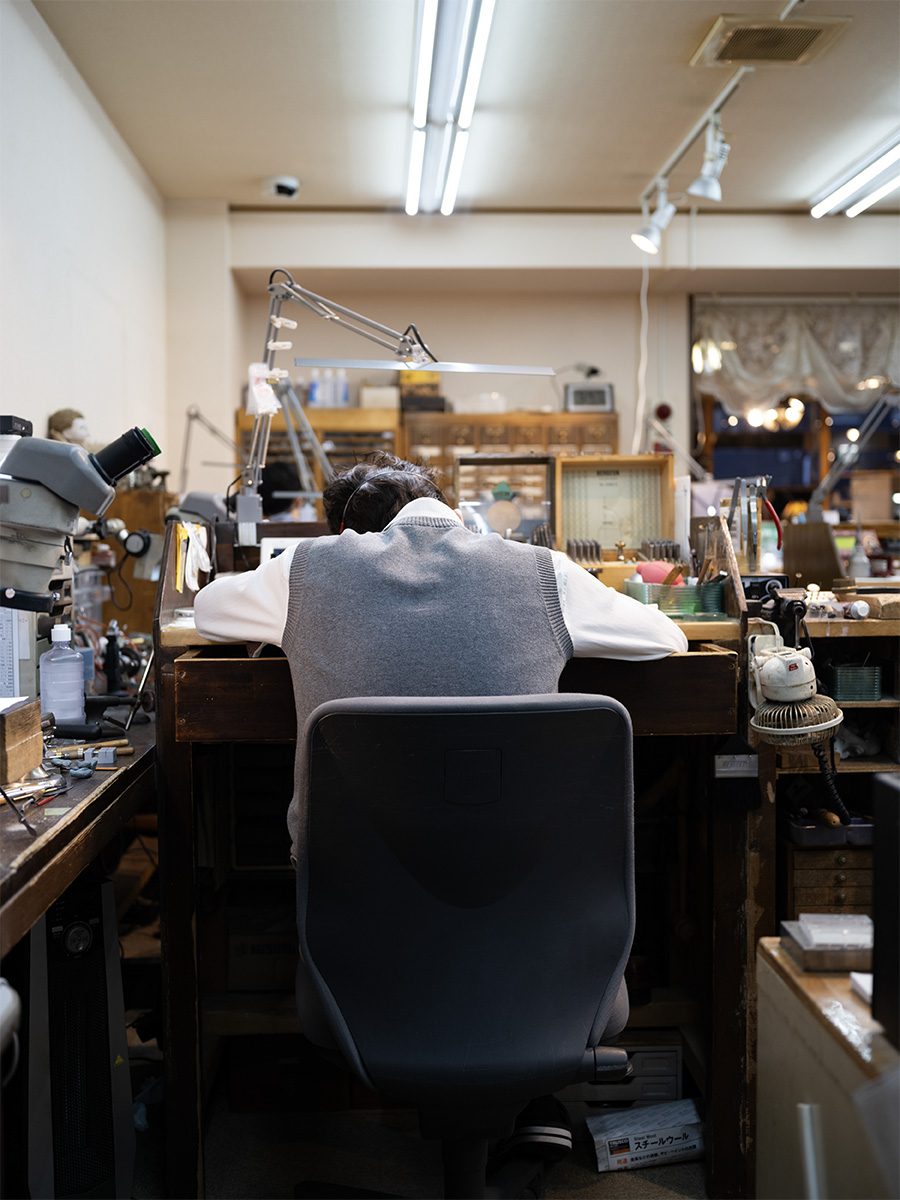
A short ride on the Sobu Line to Kichijōji Station leads me to a small watchmaking workshop: Masa’s Pastime. Through the window I see Masa Nakajima working at an old bench, surrounded by rows of neatly arranged precision tools. From here he guides a team of young and highly skilled watchmakers.
I know that you have lived and travelled around the world. What led you here?
I moved to Los Angeles in 1984, just after turning 21. At the time I was working as a scuba diving instructor. Two years earlier I had spent a year in the Philippines, and the following year in Jakarta, Indonesia, before planning to move to the West Coast of the United States. However, I couldn’t find a job that would allow me to live independently, so I ended up juggling work in restaurants and boutiques around Los Angeles while attending a small college in Pasadena.
In 1988 I left Los Angeles and returned to Tokyo. I worked again as a scuba diving instructor for a little over a year, but I felt the need to do something different. So in May 1990 I opened an antique shop in my hometown called Masa’s Junkyard. Creating a watch in Tokyo, without the kind of know-how and ecosystem found in Switzerland, is by no means easy. It was only a few years ago — more than thirty years after opening Junkyard — that I finally created my first watch in the workshop Masa’s Pastime.
A 30-year journey. When did you first become interested in watches?
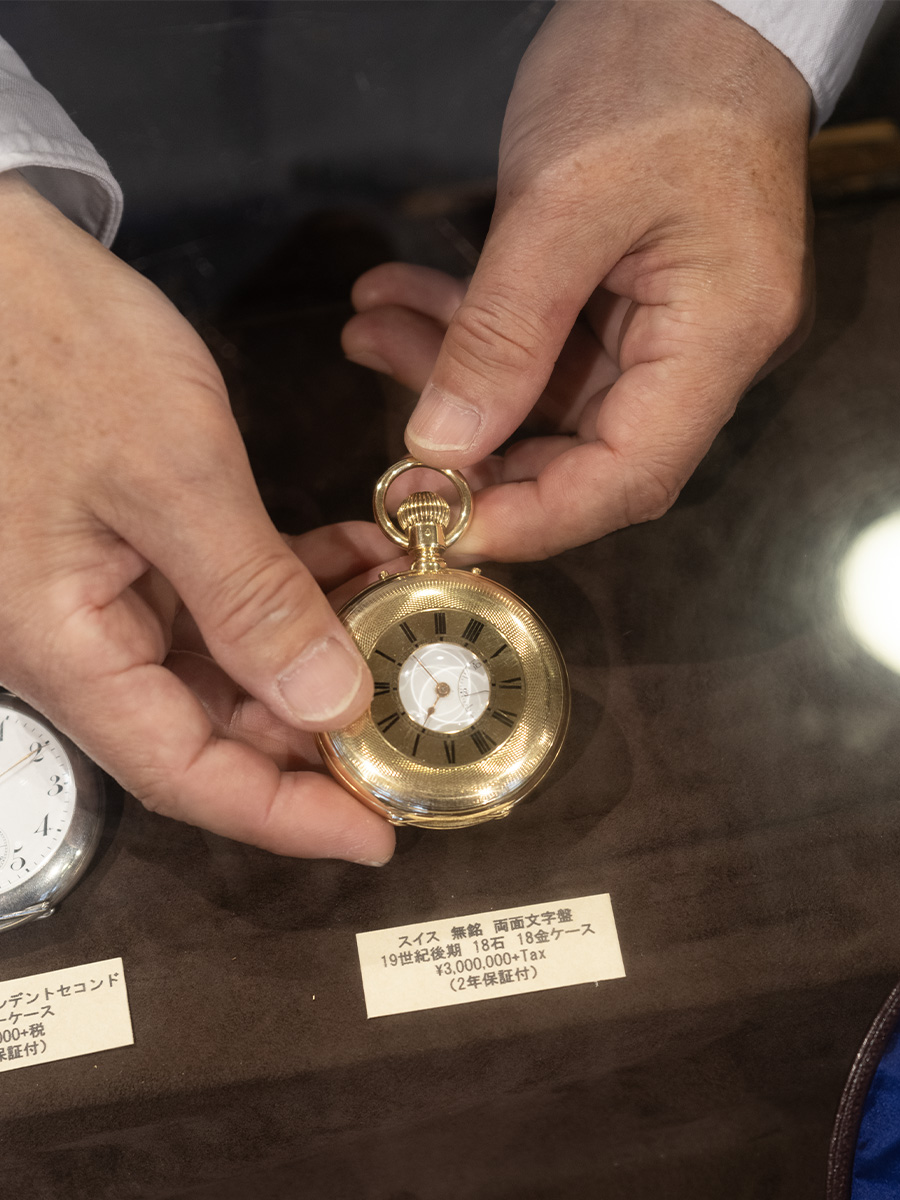
When I opened Masa’s Junkyard, watches didn’t interest me very much. It was only by chance that I met a dealer in vintage watches during my time in Los Angeles, and that sparked my curiosity. At the time, whenever a customer bought a watch from my shop, I would send it to an experienced watchmaker for repair before delivering it. However, problems often arose even after the sale, which meant I was constantly going back and forth between the customer and the watchmaker. One day I received an order for the most expensive wristwatch in the shop. After the delivery, however, the watch kept having problems. When I took it back to the watchmaker he told me: “You know, this watch is old — just like me. You need patience if it occasionally stops.”
That evening, frustrated, I had a sudden thought: “Thunder. If I can’t sell it, I’ll take it apart.” I roughly opened the back of the watch, expecting disappointment. Instead, what I saw inside was astonishing: gleaming screws and springs, ruby jewels the colour of blood, and a hair-thin balance spring. I became instantly fascinated. I carefully disassembled each component and cleaned them one by one. I laid all the parts out on the table and tried to put the watch back together again. For hours I searched for pieces that had flown across the room — and before I realised it, the sun had come up. I had spent more than ten hours working on that watch.
Did you have a mentor to guide you after that long night in the workshop?
I’m pretty much self taught. I do not have a mentor, but I bought as many old watch repair books as well as old watch making machines I could find in the USA.
I respect that you mentor and employ a lot of young watchmakers. How do you find each other?
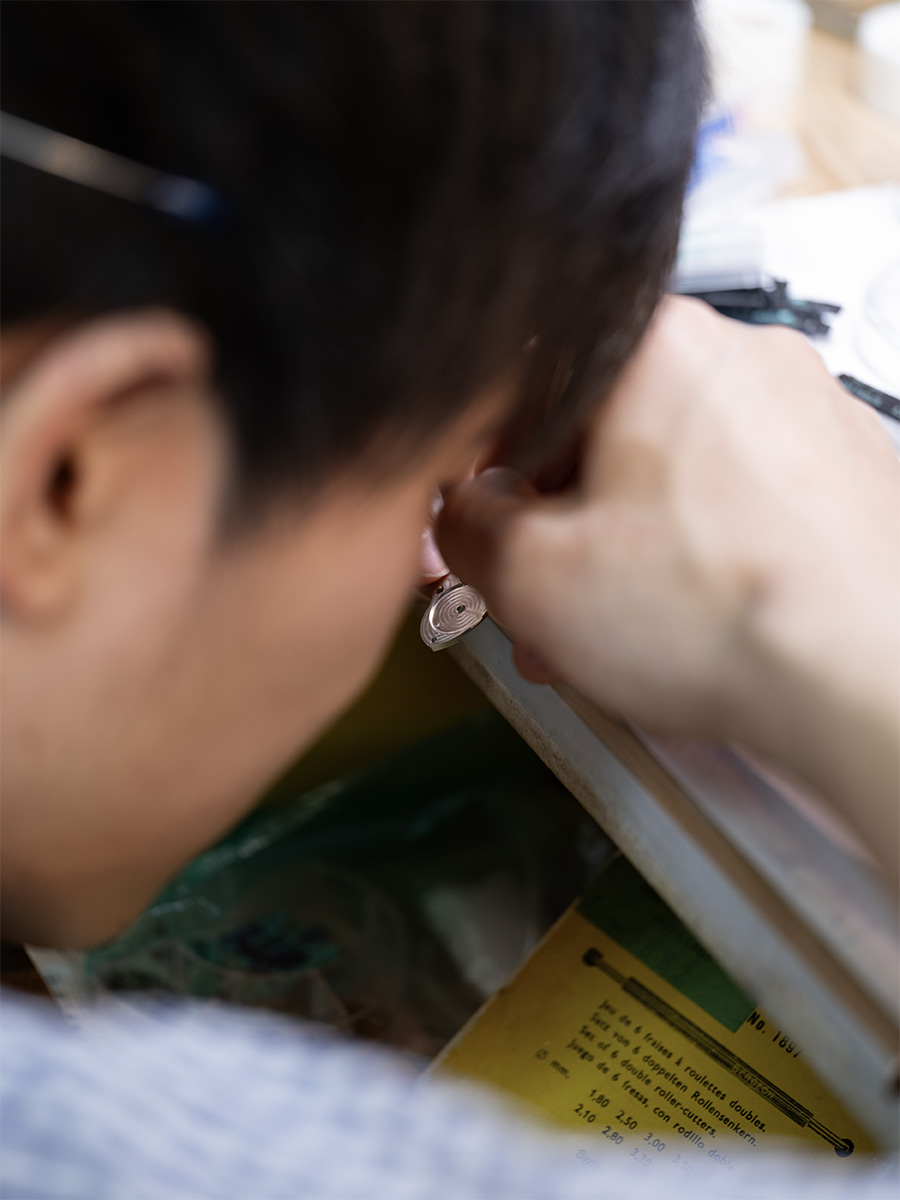
All the young guys here, except for chief watchmaker Katsu and engraver Kei, are the graduates of the watch making school in Tokyo. Having engaged in antique watch restoration for three decades, I involuntarily tend to stick with the designs of old watches, but either good or bad, young guys are free of that stereotype. I never want my watch to be a replica of antique watch, and I’m hoping to create new charming watches by sharing my experience and new ideas with them.
I understand there are many small independent watchmakers in Japan. Was it easy for you to set up a workshop here?
Regarding to the old machinery here, I found most of them either in the States or in the Switzerland while our new machines are all Japanese. I do not think Japan is an ideal place for the watchmakers since we are not surrounded with the watch parts suppliers like they are in Switzerland, but I feel it is just good enough.
Can you describe your watch design style and process?
Our “MP series”, designed by me, was launched in 2024 and includes the models Nagi and Sohkoku. I made some preliminary sketches for the movement, dial and case. Through the restoration of antique watches we have naturally studied many historical references, and our movement is actually quite close to the design of early twentieth-century C.H. Meylan mechanisms. I particularly admire high-grade, low-beat movements, mainly Swiss ones from around 1870 to 1900. They are not only beautifully finished but also durable and repairable.
You recently designed and released your own watch, the Nayuta Model. Please can you tell me about that?
The Nayuta model was created and produced by Nayuta Shinohara, with the support of our team. Nayuta joined my company three years ago after winning the Gold Award at the Lange Awards in Germany, becoming the first Japanese watchmaker to do so. I encouraged him to create a watch entirely of his own design. It took him about six months to develop the concept and design the watch, and another year and a half to complete the first piece.
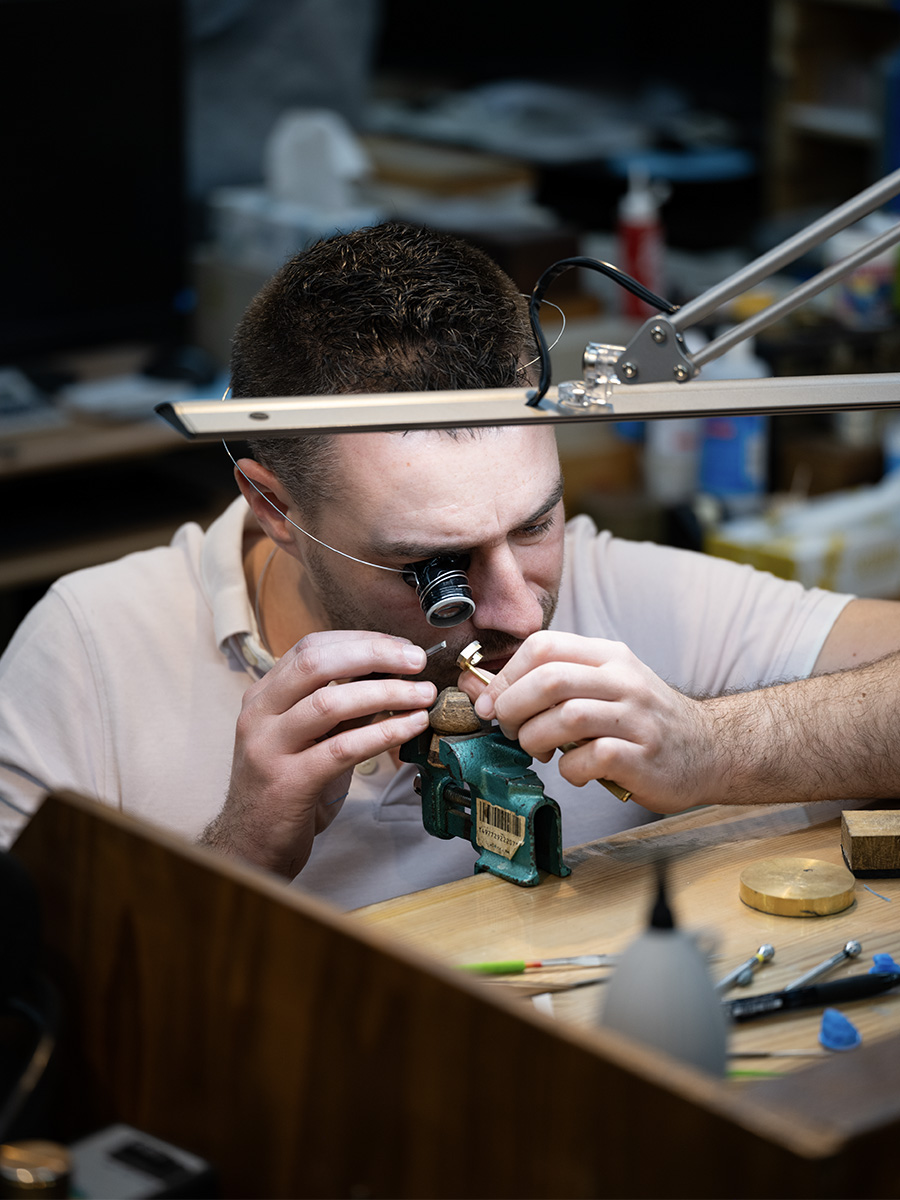
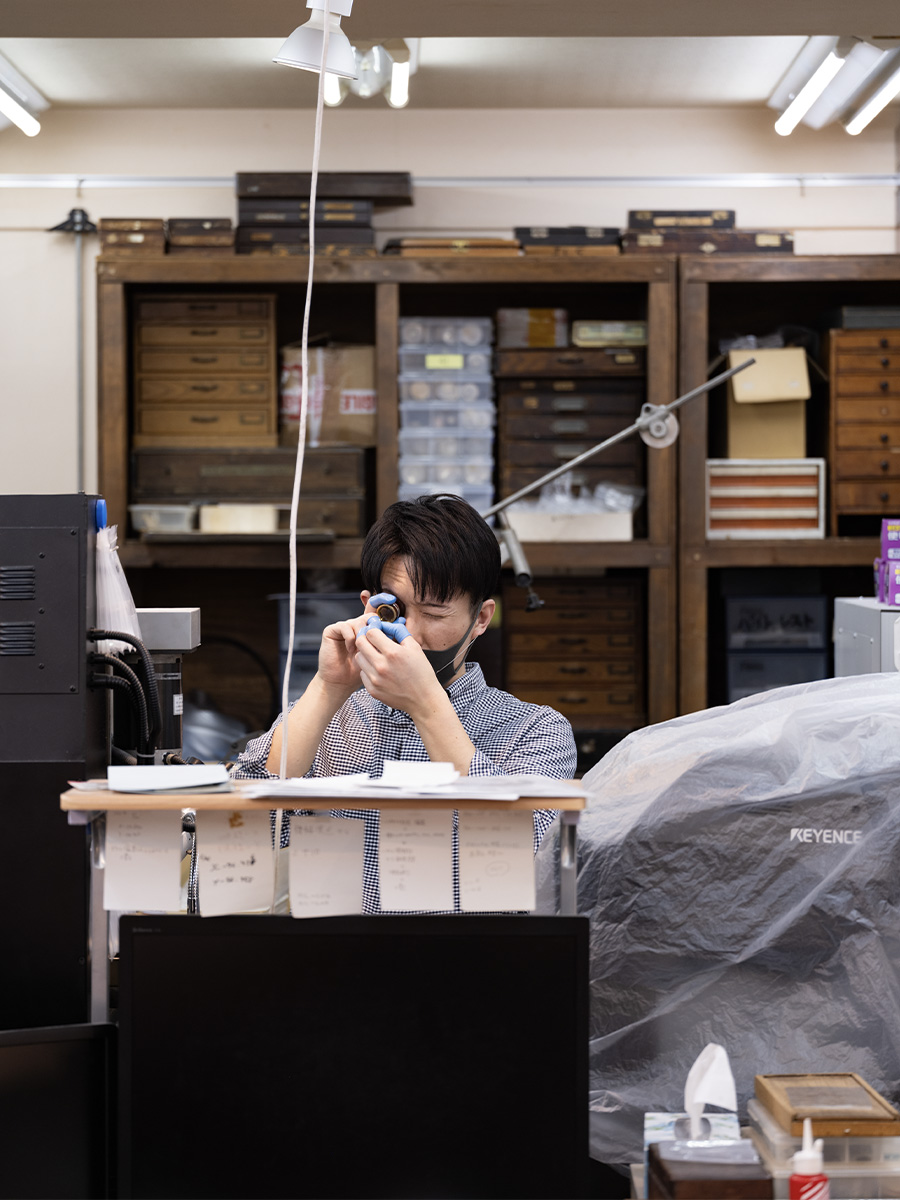
Admiring Masa’s spirit is almost inevitable. The dedication to be a self-taught watchmaker is immense. Creating a culture to continue the tradition of watchmaking as well as forging his own path. This is truly a life’s work.
To discover more about Masa’s Pastime visit antique-pastime.com and follow @pastime_masa_ on Instagram.
Photography by Elliot Hammer