Leader of the gang: W.W. Chan
By Aleks Cvetkovic
W.W. Chan is, by Hong Kong tailoring standards, a mythic house. Steeped in heritage, the business dates back to 1960, when the original W.W. Chan set up his first workshop in his own name in the city. He was born in 1922 in Yun Long, China, and apprenticed as a tailor aged 14. Crucially, he studied tailoring in Shanghai, graduating with honours in 1943. This is significant, as we’ll see shortly, because in Asia, to study tailoring in Shanghai is the equivalent of studying on Savile Row in the UK. It’s the best place to learn – with a unique place in tailoring culture.
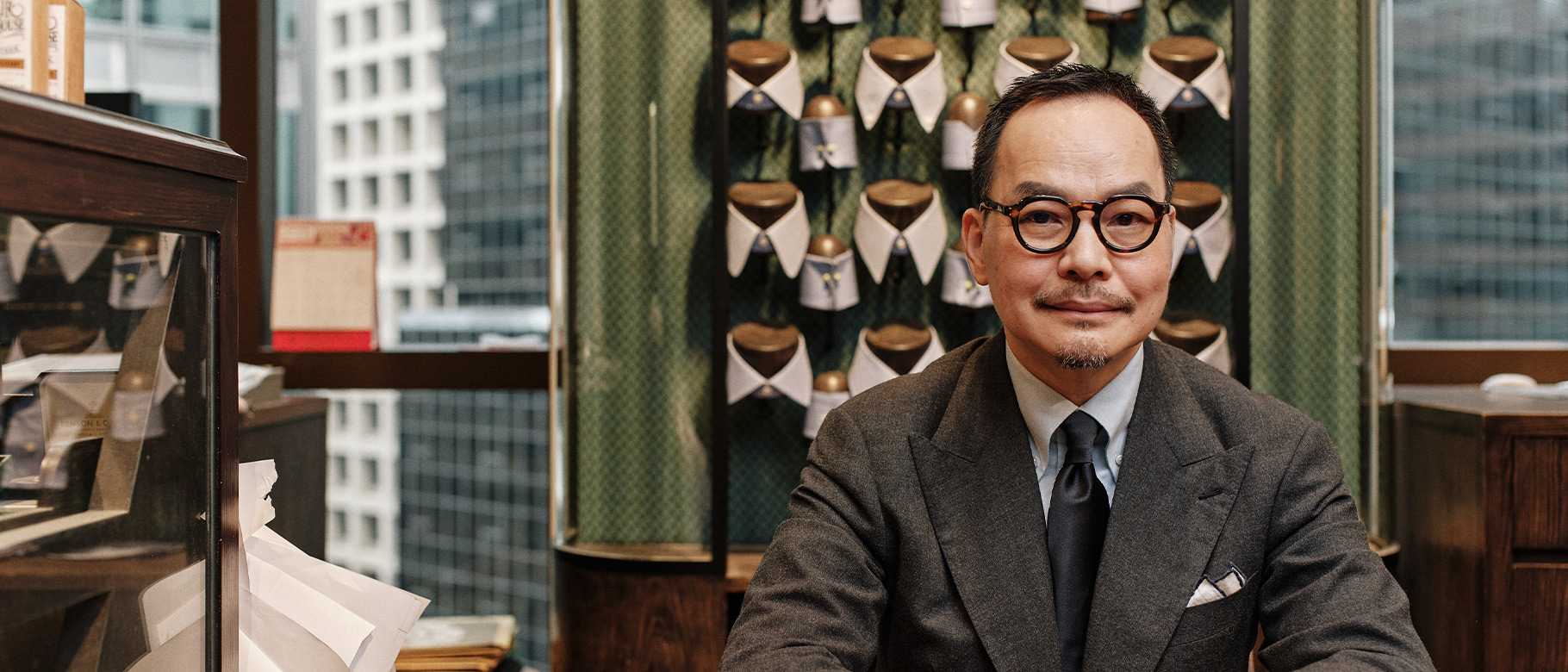
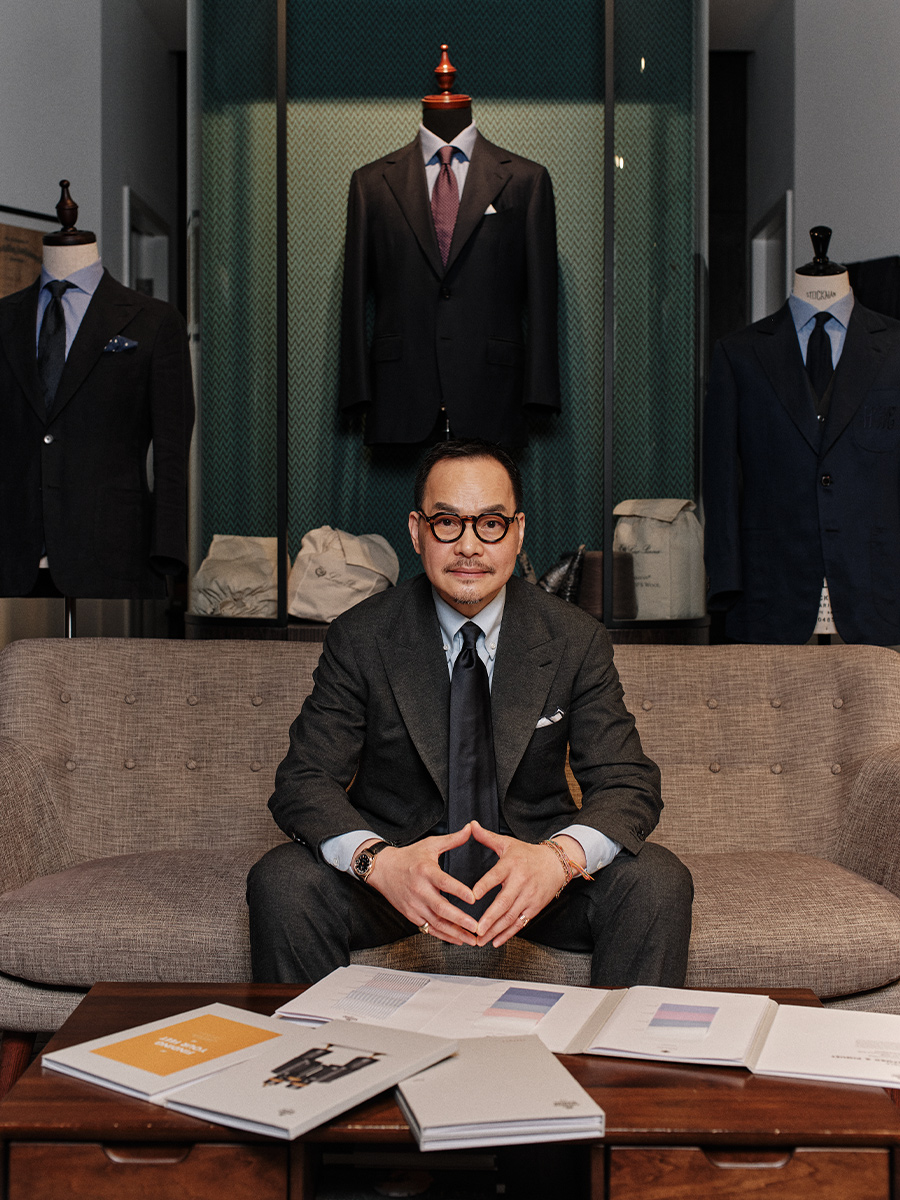
This is the extraordinary legacy that W.W. Chan’s current proprietor, Patrick Chu, upholds today. Charming and immaculately dressed in a sleek charcoal flannel suit, Chu took over W.W. Chan from Peter Chan (son of the founder), having worked in the business since 1986. “I joined at 18,” he explains, “and I started to manage the business from around 2010.”
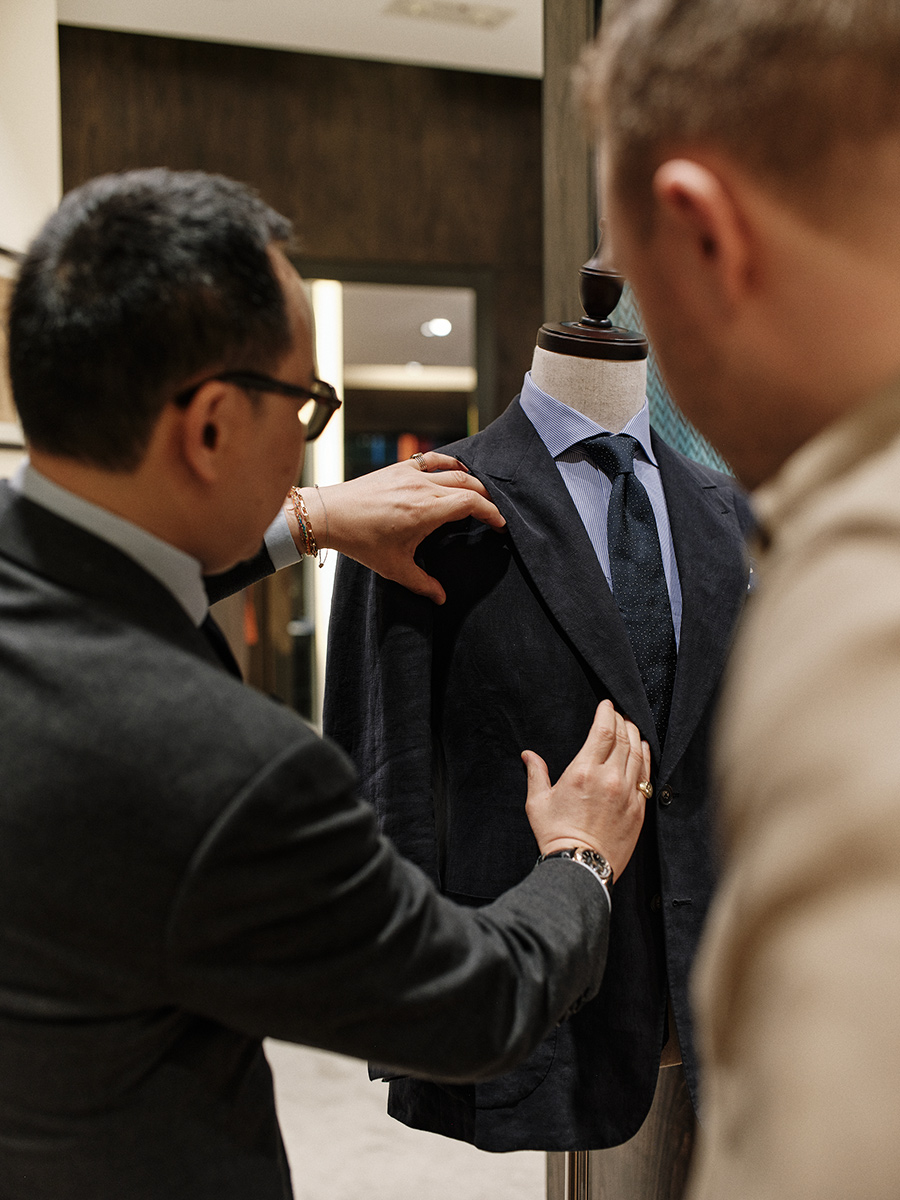
W.W. Chan’s house style is also mythic, descended as it is from Chan’s training in Shanghainese tailoring. Shanghai is famous for fostering the ‘Red Gang’ of tailors in the early 20th century – the first generation of leading bespoke tailors in China. “They learnt from British, Russian and Japanese tailoring and blended it together,” Chu explains. As a student, Chan learned the Red Gang’s tailoring techniques, styling preferences and exacting level of handwork, which still inform the W.W. Chan house cut today.
Alongside the above, ‘Red Gang’ suit blends elements of London tailoring – broader lapels, shaped sleeveheads and three-dimensional chest canvasses – with the lightness of touch and intricate handwork of Chinese embroidery. The result is a distinctive garment that stands apart from other leading tailoring hubs, like London, Paris and Naples. Consequently, there’s a pleasing preppiness to W.W. Chan’s suits today, which have a little more structure and shape than those of most Hong Kong tailors, but remain comfortable to wear and lightweight.
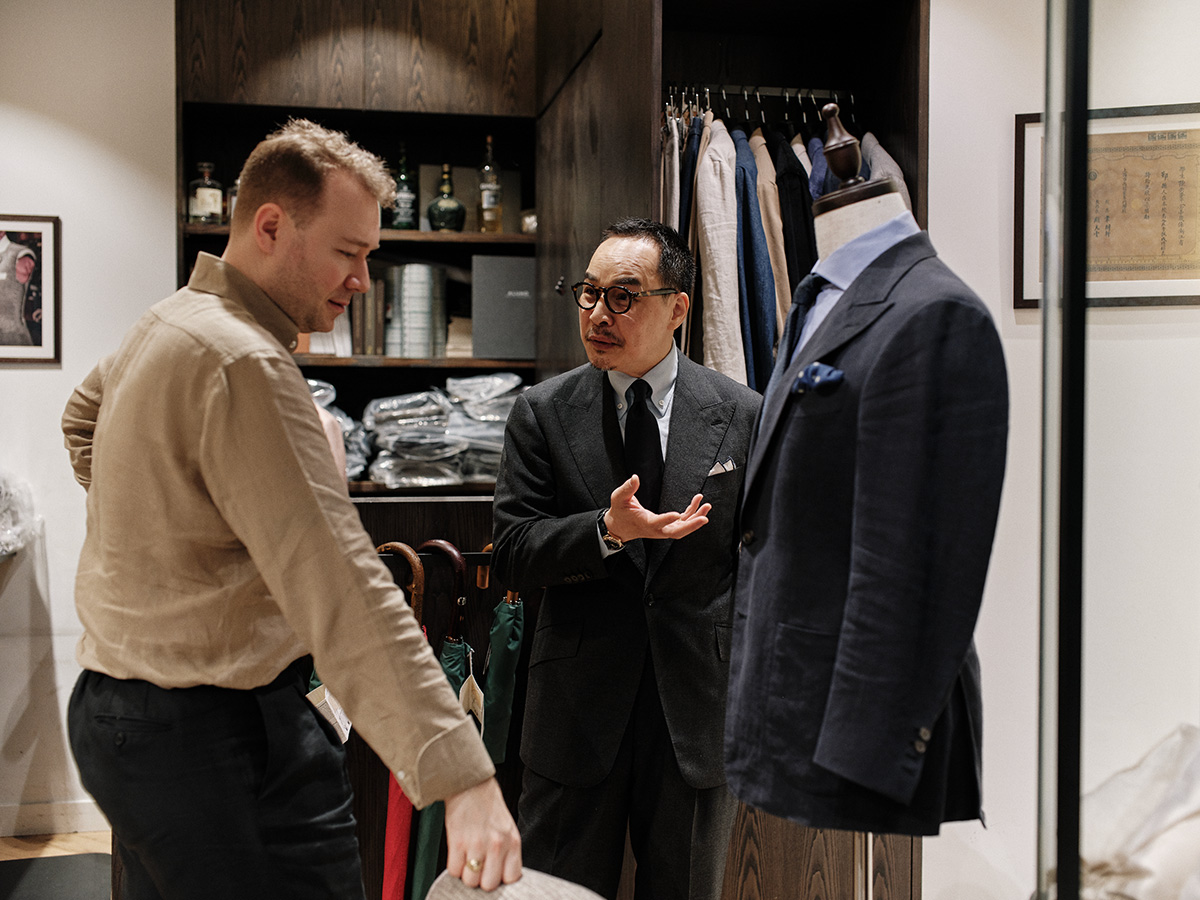
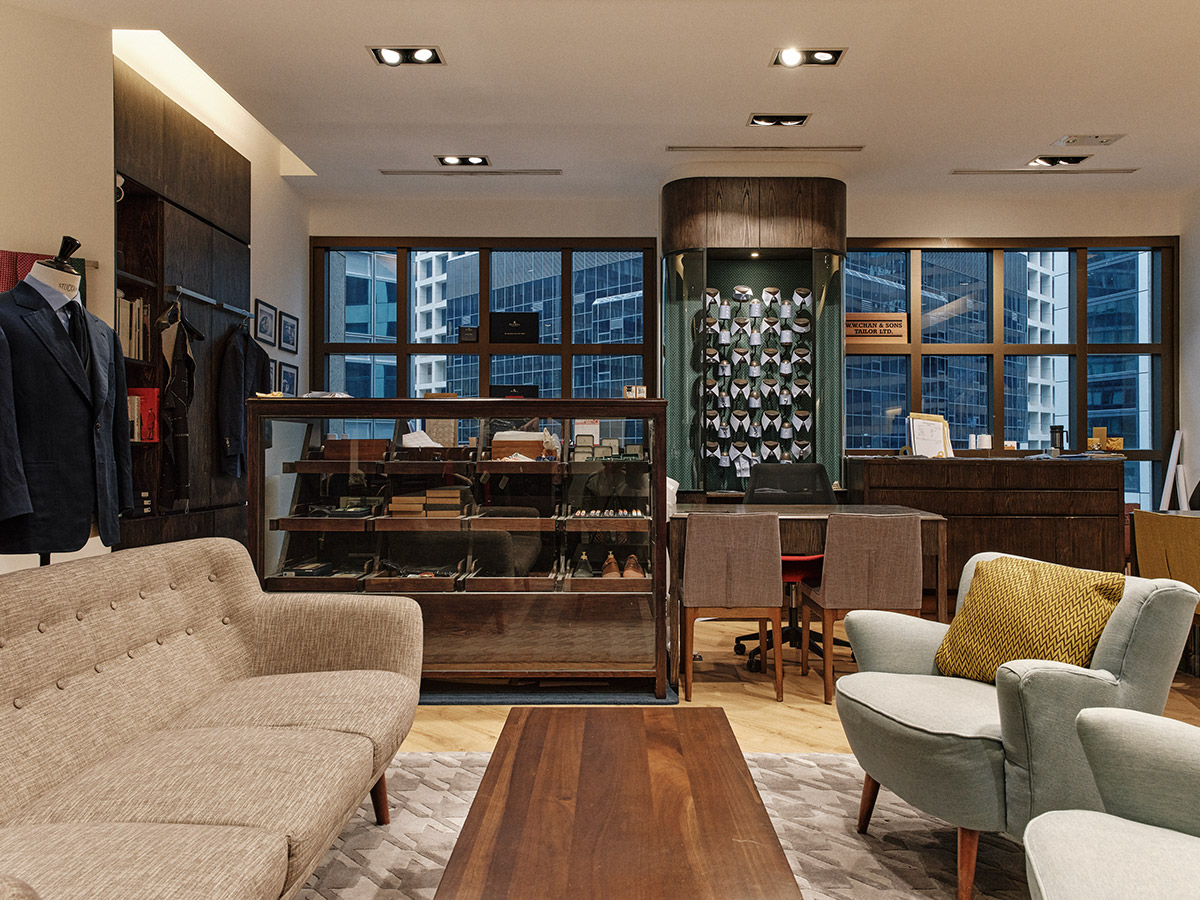
When we visit, there are handsome checked sports jackets on show, alongside a distinctive navy velvet smoking jacket and handsome striped suit with sharp peak lapels – all garments that take recognisable elements of English, American and Italian tailoring culture, and make them something altogether new and distinctive.
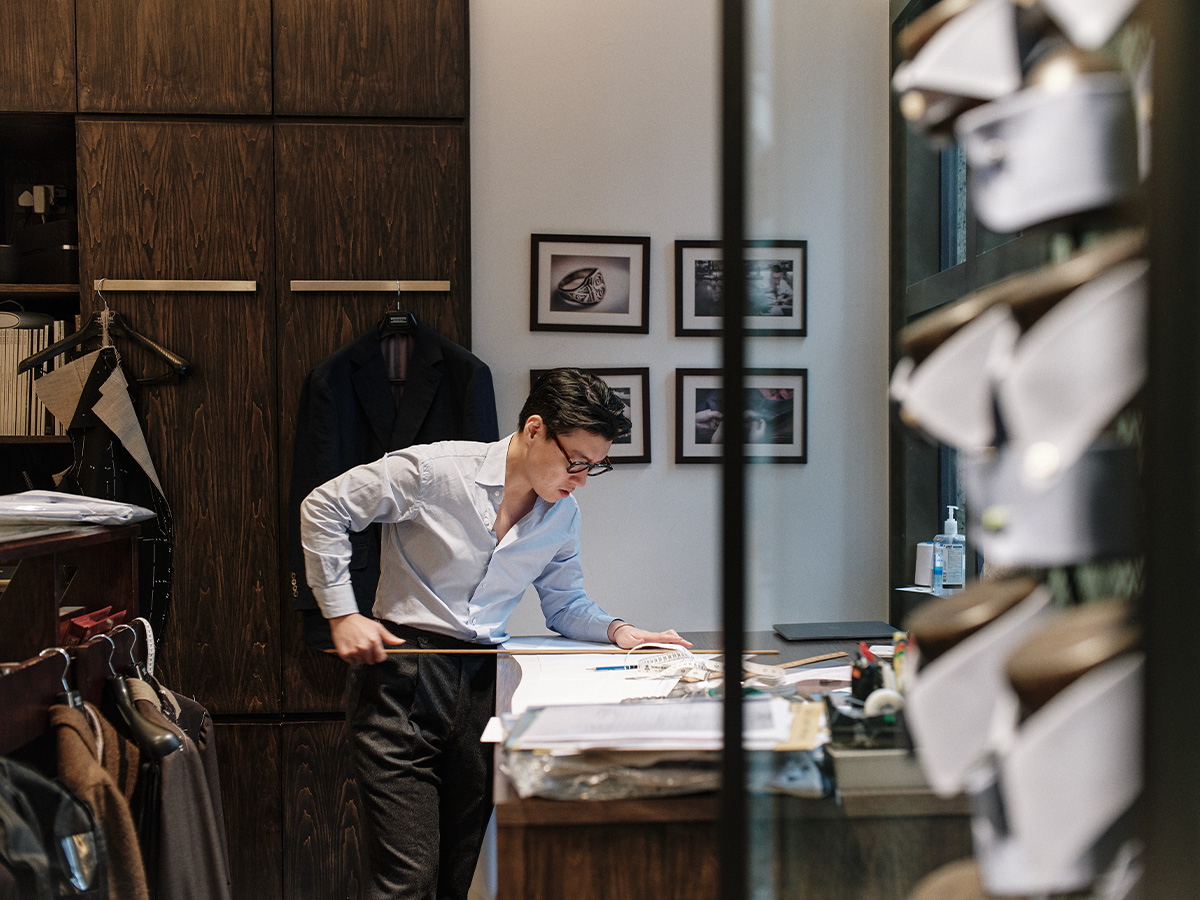
“We cut with British lines, but want to create beautiful tailoring with the soft feeling of Italian design,” says Chu, leaning over a cutting table. All our canvassing is sewn by hand, designed to mould to your figure over time and give you better drape, creating a three-dimensional silhouette.” Chu is keen to emphasise, though, that W.W. Chan’s tailoring isn’t set in stone. “We’re fairly flexible with customers, because we don’t want to be as rigid as a British or Italian tailor. We take elements from both, to work with our clients on different and new things.”
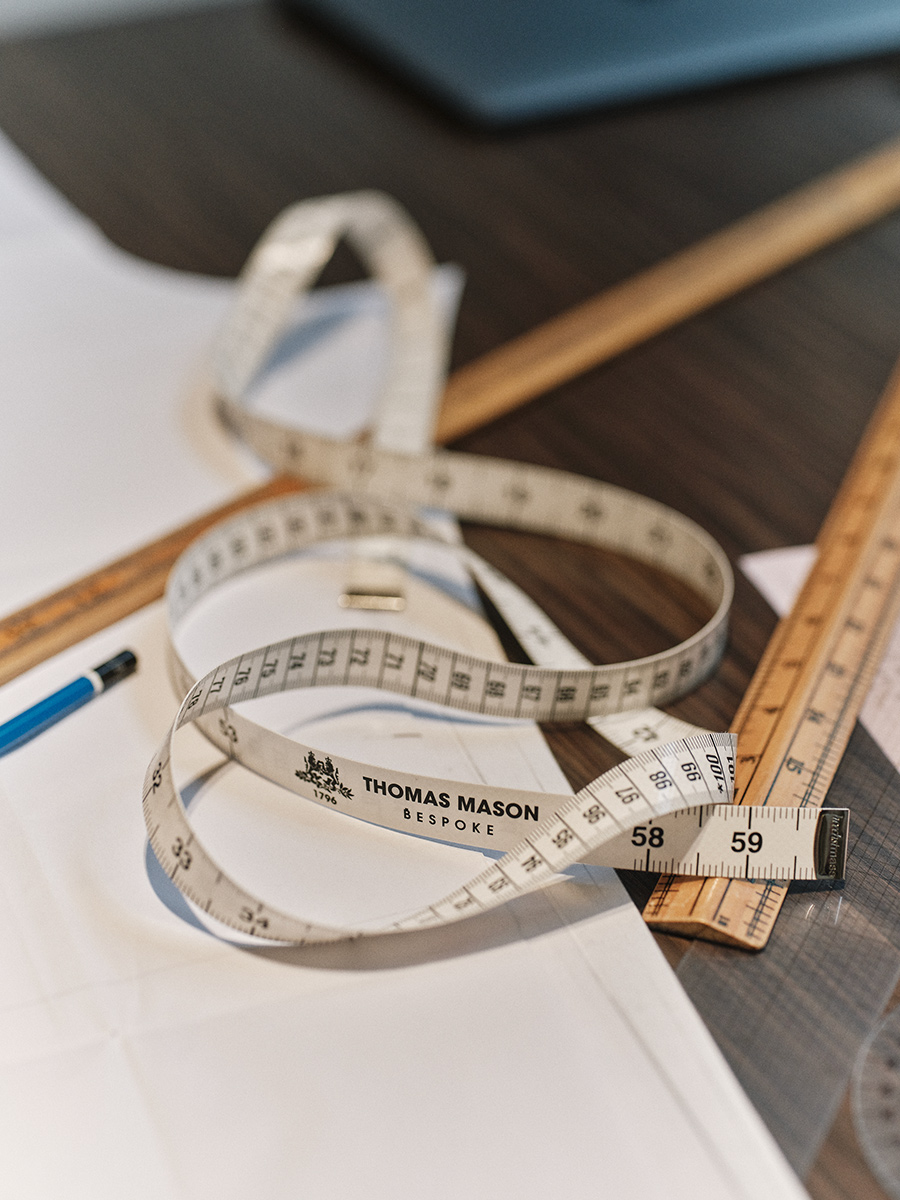
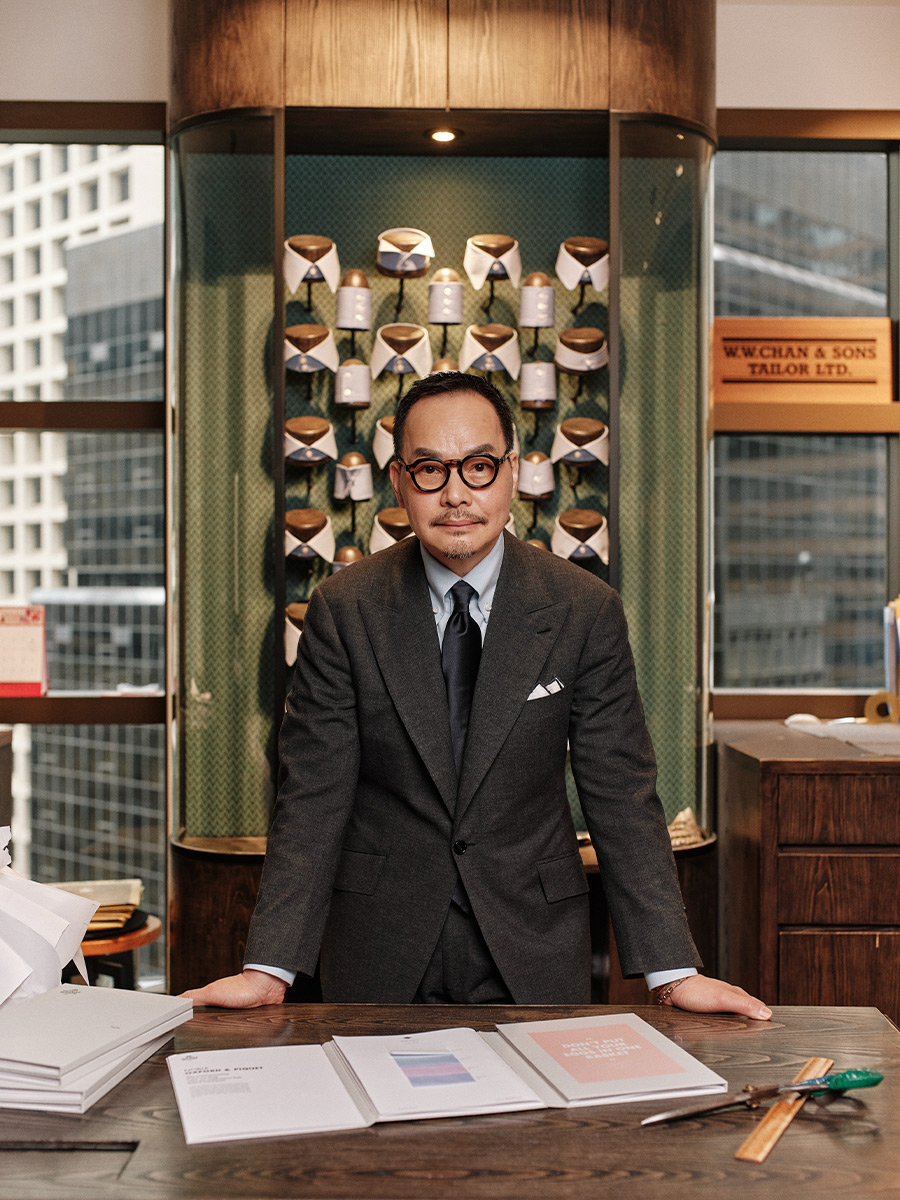
Other pieces on show in the shop include unstructured tweed Teba jackets and a Black Watch cashmere sports coat with an intricate quilted lining, for extra warmth. Design details and superior craftsmanship like this sets W.W. Chan apart. Chu and his team also offer custom-made shirts to clients, cut to clients’ unique patterns, with a near endless choice of collars, cuffs and detailing to enjoy. Thomas Mason’s fabric bunches are always within arm’s reach, and Chu references the Royal Oxford as a house favourite: “It’s soft, comfortable and suited to everyday use,” he says.
Evidently, since taking on the business Chu has built brilliantly on the legacy left by the Chan family. Today, W.W. Chan has clients all over the world, hosts regular UK and US trunk shows, and has a reputation as one of the most craft-focused tailors in the business. For all this, Chu remains modest and level-headed. “Every tailor has a duty to meet modern trends and continue to improve their workmanship like never before,” he says. Long may this continue at W.W. Chan.
Follow @wwchantailor on Instagram
Photography by Tom Griffiths